
Cooking with Kids: How Whipping Up Meals Can Boost Their Confidence and Independence
- Espe Little Chefs Kitchen
- Jul 9, 2025
- 4 min read
Cooking with kids is one of the most rewarding activities for both parents and children. It’s not just about making delicious meals; it’s an excellent way to teach essential life skills that help a child grow in confidence and independence. Engaging kids in the kitchen opens doors to learning, decision-making, and self-expression, building skills that will serve them for years to come.
The Magic of Cooking Together
Getting children involved in cooking can ignite their passion for food and turn the kitchen into a fun learning space. When kids help with cooking, they engage in tasks such as measuring, mixing, observing, and tasting. Each of these activities gives them a chance to learn in a hands-on way.
For example, a child helping to bake cookies might learn how to measure sugar and flour accurately. This simple task teaches math skills while providing a sense of ownership over the process. Kids are more excited about cooking when they feel they are contributing to the family. This joy can turn into a lifelong love for cooking, ensuring healthy eating habits later in life.
Independence Through Cooking
One of the significant benefits of cooking with children is the independence it nurtures. When kids participate in meal preparation, they learn to perform tasks independently. They might start with simple ones like washing vegetables or whisking eggs and move on to chopping or sautéing as they gain confidence.
As they develop these skills, they can prepare meals on their own, creating a sense of responsibility that is incredibly valuable. For instance, a 10-year-old who can successfully prepare a breakfast of scrambled eggs or a simple pasta dish has taken a significant step toward independence. This newfound ability often translates to greater confidence in facing challenges at school or in social situations.
Encouraging Decision-Making Skills
Cooking provides a platform for children to make choices, from selecting ingredients to deciding on meal options. Engaging them in these decisions fosters critical thinking. You might ask, “What flavors do you think would go well together?” or “Which vegetable should we include in our stir-fry?” These questions encourage them to express their preferences while practicing decision-making.
When kids successfully choose ingredients that make a delicious dish, it reinforces their ability to make informed choices. Research shows that children who make decisions in the kitchen often perform better in academic settings, illustrating the broad impact of these cooking experiences on their analytical skills.
Building Self-Esteem Through Achievement
Completing a cooking task can significantly boost a child's self-esteem. When they see the fruits of their labor, whether it's a plate of cookies or a vibrant salad, they gain a sense of accomplishment. For instance, if a child successfully bakes a cake, they not only enjoy a tasty treat but also appreciate their ability to create something exciting.
Celebrating these achievements can enhance their self-worth. When parents focus on praising their efforts rather than just the results, it encourages kids to embrace challenges. Remember, a slight burn on a pie or a lumpy sauce can become a funny family story and a lesson in resilience.
Fostering Teamwork and Communication
Cooking is an excellent way to teach teamwork and communication skills. Involving kids in group cooking projects—whether with family or friends—requires them to work together, share responsibilities, and communicate effectively. For example, if two siblings are tasked with making a meal, they'll need to discuss who will chop the vegetables and who will set the table.
This collaboration helps them learn to convey their ideas, compromise on decisions, and respect differing opinions. Such skills are vital for their future, emphasizing how teamwork in the kitchen can translate to success in other areas of life, including school projects and sports.
Cultivating Patience and Focus
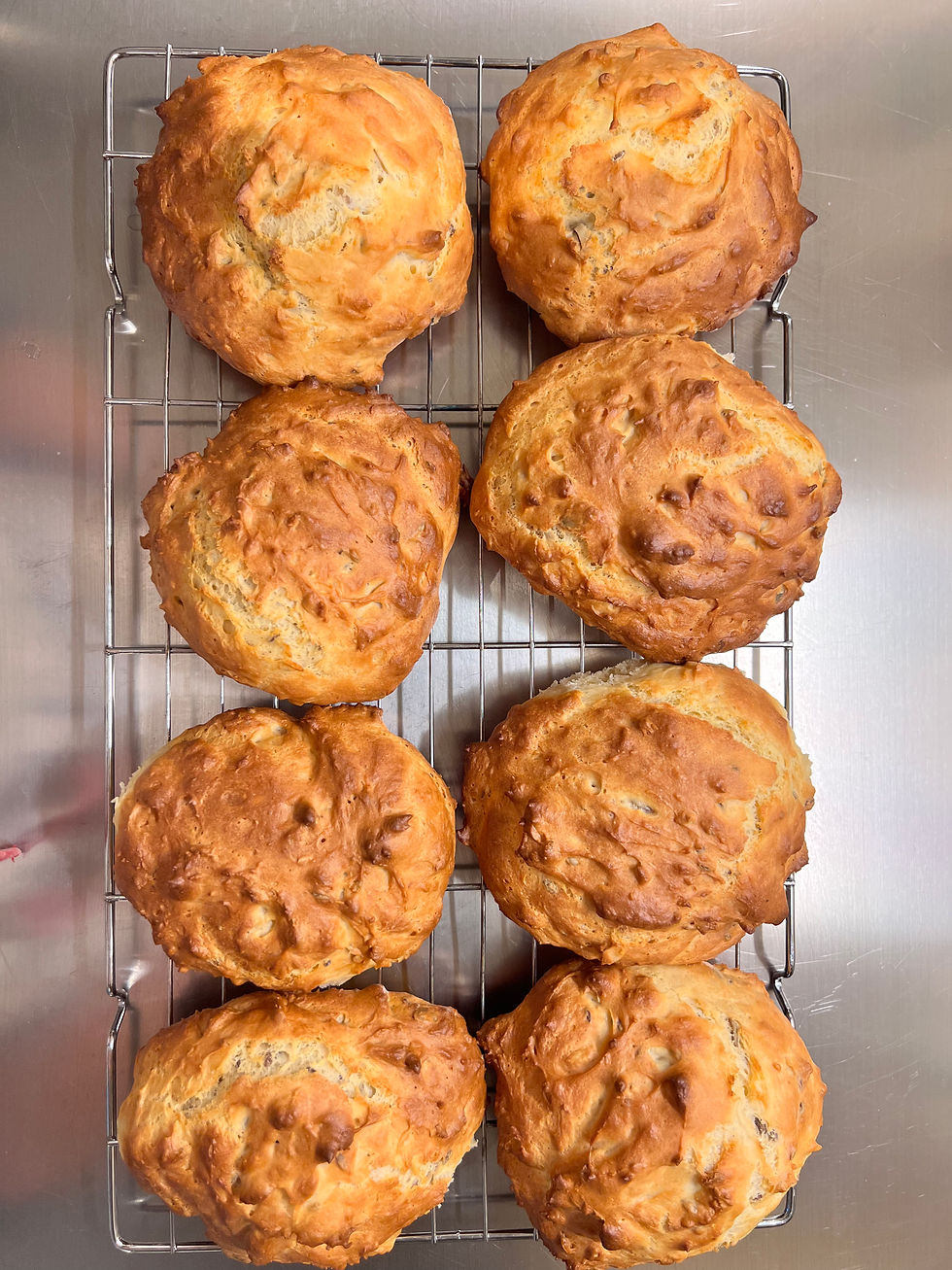
In our fast-paced world, cooking teaches children patience and focus. Many recipes require several steps and time to prepare. For instance, when making homemade bread, kids must wait for the dough to rise, teaching them the valuable lesson of patience.
Through these experiences, children develop greater time management skills. They learn to see tasks through to their conclusion, whether it involves studying for an exam or waiting for something to bake. These lessons prepare them for various life scenarios, making them more capable individuals.
Creating Memorable Family Time
Cooking together can turn into a cherished family tradition that fosters a deep sense of belonging and shared memories. The kitchen becomes a place where stories are exchanged, laughter fills the air, and family bonds are strengthened. Regularly setting aside time for cooking encourages cooperation and establishes a pattern of care and support within the family.
For example, a family that dedicates Sundays to cooking a big meal together not only builds culinary skills but also creates lasting memories. Kids will remember the days spent in the kitchen, aligned with their favorites—like grandma's special recipe or experimenting with new ideas.
Encouraging Healthy Eating Habits
Engaging in cooking can lead to healthier eating habits. When children participate in food preparation, they become more conscious of their choices. Research suggests that kids are more likely to eat fruits and vegetables they help prepare.
Understanding the nutritional value of various ingredients empowers them to make better food choices. For example, if a child learns about the importance of fiber in vegetables while preparing a stir-fry, they may be more inclined to eat more greens. Cooking introduces them to diverse flavors and textures, encouraging adventurous eating that can last into adulthood.
Final Thoughts on Cooking with Kids
Cooking with kids is more than just meal preparation; it's an experience that builds independence, decision-making skills, and self-esteem. The kitchen becomes a space for creativity, teamwork, and joyous learning. By spending time cooking together, parents foster essential life skills and create lasting memories that enhance their children's confidence and independence.
So, roll up those sleeves, grab the aprons, and enjoy whipping up some delicious meals together!



Comments